Estate Planning Essentials for 2026: Secure Your Future Now

Anúncios
Developing a comprehensive estate plan in 2026 is vital for protecting your assets, minimizing tax burdens, and ensuring your family’s financial well-being and wishes are honored according to your directives.
Anúncios
In an ever-evolving financial landscape, understanding the estate planning essentials for 2026 is not just prudent, but absolutely critical. Securing your family’s future now means taking proactive steps to protect your assets, minimize tax implications, and ensure your final wishes are respected. This comprehensive guide will walk you through the key components of an effective estate plan, providing you with the knowledge to make informed decisions for your loved ones.
Understanding the Foundation of Estate Planning
Estate planning is more than just drafting a will; it’s a holistic process of arranging for the management and disposal of your estate during your life and after your death. It involves a series of legal instruments and financial strategies designed to protect your assets, provide for your beneficiaries, and articulate your healthcare wishes. A well-crafted plan can prevent family disputes, expedite asset distribution, and potentially save your loved ones significant time and money.
The core components of an estate plan
Anúncios
At its heart, estate planning revolves around several key documents and considerations. These elements work in concert to create a robust framework for your legacy. Understanding each piece is the first step toward building a secure future for your family.
- Last Will and Testament: This foundational document dictates how your assets will be distributed and names guardians for minor children.
- Trusts: Various types of trusts can offer greater control over asset distribution, privacy, and tax benefits, bypassing probate.
- Durable Power of Attorney: Designates someone to make financial decisions on your behalf if you become incapacitated.
- Healthcare Directives: Includes a living will and a healthcare power of attorney, outlining your medical treatment preferences.
Each of these components plays a crucial role in ensuring your wishes are honored and your family is protected, regardless of unforeseen circumstances. Without a comprehensive plan, your estate could be subject to lengthy probate processes, higher taxes, and potential family disagreements.
Wills and Trusts: The Cornerstones of Your Legacy
When it comes to estate planning, wills and trusts often take center stage. While both serve to direct the distribution of your assets, they operate differently and offer distinct advantages. Choosing between them, or deciding to utilize both, depends on your specific financial situation, family dynamics, and long-term goals.
The power of a last will and testament
A will is a legal document that outlines your instructions for the distribution of your property and the care of any minor children upon your death. It is essential for anyone with assets or dependents. Without a will, your estate will be distributed according to state intestacy laws, which may not align with your personal wishes. A will also allows you to name an executor, the person responsible for carrying out your instructions and managing your estate through the probate process.
Exploring the versatility of trusts
Trusts are more complex legal arrangements that can offer significant benefits, particularly for larger estates or those with specific needs. A trust allows you to transfer assets to a trustee, who then manages those assets for the benefit of your designated beneficiaries. Unlike wills, assets held in a trust typically bypass probate, leading to a quicker and more private distribution process. There are various types of trusts, each suited for different purposes:
- Revocable Living Trust: Provides flexibility, allowing you to modify or revoke the trust during your lifetime.
- Irrevocable Trust: Offers stronger asset protection and potential tax advantages, but cannot be easily changed once established.
- Special Needs Trust: Designed to provide for individuals with disabilities without jeopardizing their eligibility for government benefits.
- Charitable Trust: Allows you to leave assets to charity while potentially receiving tax benefits.
Deciding which type of trust, if any, is right for you requires careful consideration and often the guidance of an experienced estate planning attorney. The choice can significantly impact asset control, tax liability, and beneficiary protections.
Healthcare Directives and Powers of Attorney
Beyond asset distribution, a critical aspect of estate planning involves preparing for potential incapacitation. Life is unpredictable, and having legal documents in place that outline your wishes for medical care and financial management if you’re unable to make decisions yourself is paramount. These documents ensure your autonomy and relieve your family of difficult choices during stressful times.
Ensuring your medical wishes are honored
Healthcare directives are legal documents that allow you to express your preferences regarding medical treatment. They are vital for maintaining control over your healthcare decisions, even if you cannot communicate them directly. These typically include:
- Living Will: A document that specifies what medical treatments you would or would not want to receive to prolong your life.
- Durable Power of Attorney for Healthcare (Healthcare Proxy): This designates a trusted individual to make medical decisions on your behalf if you become unable to do so.
These documents provide clear guidance to medical professionals and your family, preventing confusion and ensuring your end-of-life wishes are respected. Discussing these preferences openly with your designated healthcare agent and family members is crucial.
Appointing a financial power of attorney
A durable power of attorney for finances grants a chosen individual the authority to manage your financial affairs if you become incapacitated. This can include paying bills, managing investments, and making other financial decisions. Without this document, your family might need to seek court approval for guardianship or conservatorship, a process that can be time-consuming, expensive, and emotionally taxing. Choosing a reliable and trustworthy agent is essential, as they will have significant control over your financial well-being.
Navigating Estate Taxes and Beneficiary Designations
Estate planning isn’t just about who gets what; it’s also about optimizing the transfer of wealth to minimize tax burdens and streamline the process. Understanding the tax implications and the importance of proper beneficiary designations can significantly impact the value of your legacy and the ease with which it is transferred.
Understanding estate and inheritance taxes
In the United States, federal estate tax applies to estates exceeding a certain exemption amount, which can change annually. While many estates fall below this threshold, proper planning can still reduce potential state-level estate or inheritance taxes. Strategies for minimizing these taxes include:
- Gifting: Making annual tax-free gifts can reduce the size of your taxable estate over time.
- Trusts: Certain trusts, like irrevocable life insurance trusts, can remove assets from your taxable estate.
- Charitable Contributions: Leaving assets to qualified charities can reduce estate tax liability.
Staying informed about current tax laws and working with a financial advisor or estate planning attorney is crucial to developing tax-efficient strategies tailored to your situation.
The critical role of beneficiary designations
Many assets, such as retirement accounts (401(k)s, IRAs), life insurance policies, and some bank accounts, allow you to designate beneficiaries directly. These designations often supersede your will, meaning the assets will pass directly to the named beneficiaries outside of the probate process. It is vital to regularly review and update these designations, especially after major life events like marriage, divorce, or the birth of a child. An outdated beneficiary designation could lead to unintended consequences, with assets going to former spouses or individuals no longer in your life.
Guardianship for Minors and Digital Assets
For parents of minor children, estate planning takes on an added layer of responsibility: ensuring their children’s well-being and future care. Furthermore, in our increasingly digital world, recognizing and planning for your digital assets has become an essential component of a comprehensive estate plan. These often overlooked areas can have significant implications if not addressed proactively.
Appointing guardians for minor children
One of the most profound decisions for parents in estate planning is naming a guardian for their minor children. This designated individual will be responsible for raising your children and managing their inheritance if both parents pass away. Without a clear designation in your will, a court will appoint a guardian, who may not be the person you would have chosen. Considerations for selecting a guardian include:
- Their values and parenting style aligning with yours.
- Their financial stability and ability to provide for your children.
- Their willingness and capacity to take on such a significant role.
It’s also wise to name successor guardians in case your primary choice is unable or unwilling to serve. Discussing this decision with potential guardians beforehand is highly recommended to ensure they understand and accept the responsibility.
Managing your digital legacy
In 2026, our lives are intertwined with digital assets, from social media accounts and online banking to cryptocurrencies and intellectual property stored in the cloud. An effective estate plan must now include provisions for managing these digital footprints. This involves creating an inventory of your digital assets, including usernames, passwords, and instructions for how you wish them to be handled upon your death or incapacitation. Many states now have laws, such as the Revised Uniform Fiduciary Access to Digital Assets Act (RUFADAA), that provide legal frameworks for fiduciaries to access and manage digital assets. Without clear instructions, your digital legacy could be lost or become inaccessible, causing significant frustration for your loved ones.
Regular Review and Professional Guidance
Estate planning is not a one-time event; it’s an ongoing process that requires periodic review and adjustments. Life circumstances, tax laws, and family dynamics can change, necessitating updates to your plan. Engaging with experienced professionals is key to ensuring your estate plan remains current, effective, and aligned with your evolving goals.
The importance of periodic review
Several life events should prompt a review of your estate plan, including:
- Marriage or divorce.
- Birth or adoption of children or grandchildren.
- Significant changes in assets or liabilities.
- Changes in state or federal tax laws.
- The death or incapacitation of a named beneficiary or fiduciary.
- Relocation to a different state.
Even without a major life event, it’s advisable to review your plan every three to five years to ensure it still accurately reflects your wishes and current legal requirements. A stale estate plan can be as detrimental as having no plan at all.
Seeking professional expertise
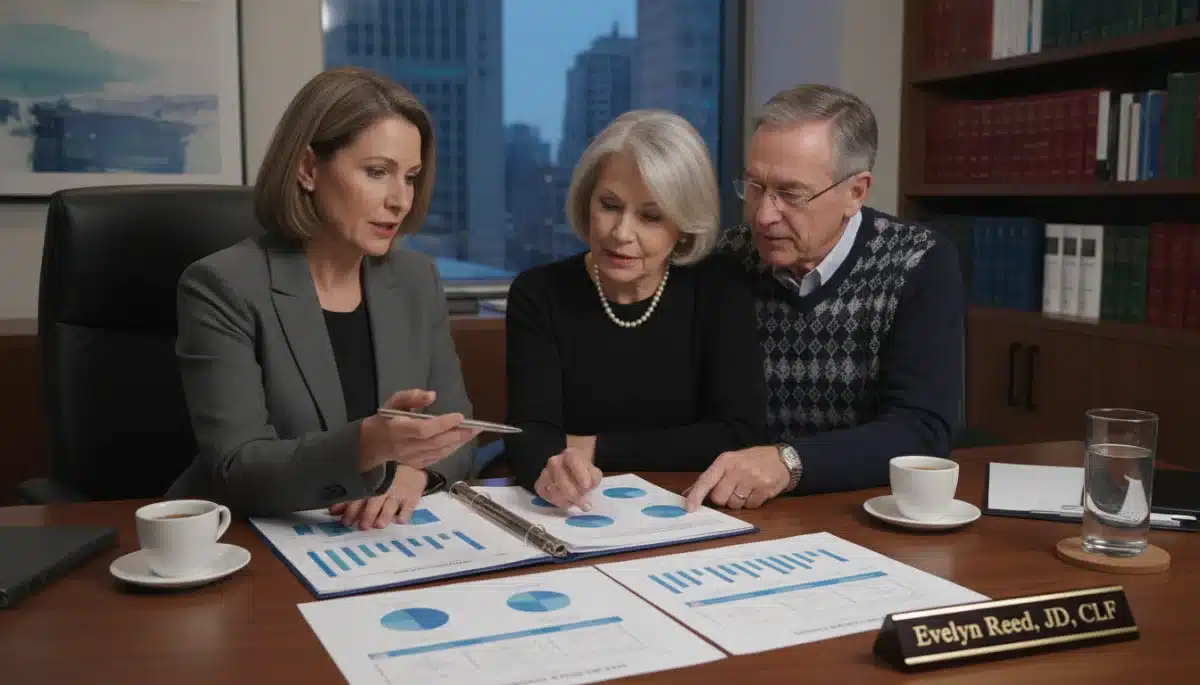
While DIY estate planning kits exist, the complexities of legal and financial regulations often necessitate professional guidance. An estate planning attorney can help you understand the nuances of state and federal laws, draft legally sound documents, and advise on tax-efficient strategies. Financial advisors can assist with integrating your estate plan into your broader financial strategy, ensuring your assets are managed and invested in alignment with your long-term goals. Together, these professionals can provide comprehensive support, giving you peace of mind that your legacy is secure and your family’s future is protected.
| Key Aspect | Brief Description |
|---|---|
| Wills & Trusts | Legal documents dictating asset distribution and guardianship, with trusts offering probate avoidance. |
| Healthcare Directives | Documents like living wills and healthcare proxies for medical decision-making. |
| Powers of Attorney | Designates an agent for financial decisions if you become incapacitated. |
| Tax & Beneficiary Planning | Strategies to minimize estate taxes and ensure assets pass to intended beneficiaries. |
Frequently Asked Questions About Estate Planning
The primary purpose of estate planning is to ensure your assets are distributed according to your wishes, your family is financially secure, and your healthcare decisions are honored if you become incapacitated, while minimizing potential taxes and legal complexities. It provides peace of mind for your future.
You should review your estate plan every three to five years, or immediately after significant life events such as marriage, divorce, birth of a child, a substantial change in assets, or changes in tax laws. Regular review ensures your plan remains current and effective.
A will dictates asset distribution after death and goes through probate. A trust transfers assets to a trustee for beneficiaries, generally avoiding probate, offering more privacy and control over distribution. Both serve distinct purposes in estate planning.
Healthcare directives, like living wills and healthcare proxies, are crucial because they ensure your medical treatment preferences are known and respected if you cannot communicate them. They empower a trusted individual to make decisions on your behalf, reducing stress for your family.
Yes, absolutely. Digital assets, including online accounts, cryptocurrencies, and intellectual property, are increasingly important. Your estate plan should include an inventory of these assets and clear instructions for their management and access to prevent them from being lost or inaccessible to your heirs.
Conclusion
Embarking on the journey of estate planning, especially with an eye toward 2026, is an investment in peace of mind for both you and your loved ones. By diligently addressing wills, trusts, healthcare directives, and the complexities of taxes and digital assets, you create a robust framework that reflects your wishes and protects your legacy. Remember, a comprehensive estate plan is not static; it requires regular review and the wisdom of professional guidance to adapt to life’s inevitable changes. Taking these essential steps now secures a stable and predictable future for your family, ensuring your careful planning translates into lasting security and comfort.