U.S. Infrastructure Bill: 3 Key Updates for 2026 Growth
Anúncios
The U.S. National Infrastructure Bill’s ongoing implementation, with significant updates in funding, project scope, and technological integration, is poised to substantially influence the nation’s economic growth and development by 2026.
Anúncios
The landscape of American infrastructure is undergoing a transformative period, driven by the ambitious goals set forth in the U.S. National Infrastructure Bill. As we approach 2026, understanding the pivotal updates and their potential impact on economic growth is crucial for businesses, policymakers, and citizens alike. This legislation is more than just roads and bridges; it’s a comprehensive strategy to modernize the nation’s foundational systems.
Anúncios
Understanding the U.S. National Infrastructure Bill’s Core Objectives
The U.S. National Infrastructure Bill, formally known as the Infrastructure Investment and Jobs Act (IIJA), represents a historic commitment to revitalizing America’s infrastructure. Its core objectives extend beyond mere repair, aiming for long-term resilience, sustainability, and economic competitiveness. This legislation seeks to address decades of underinvestment across various sectors, from transportation to broadband internet.
Initially, the bill laid out a multi-year plan for significant federal spending, targeting critical areas that directly influence daily life and economic productivity. The overarching goal is to create jobs, stimulate economic activity, and enhance the quality of life for all Americans. This involves not only physical construction but also strategic investments in future-proofing our essential services against climate change and technological shifts.
Key Pillars of the Infrastructure Investment and Jobs Act
The IIJA is structured around several key pillars, each designed to tackle specific infrastructure challenges. These pillars ensure a broad and impactful approach to national development.
- Transportation Modernization: Investing in roads, bridges, public transit, rail, ports, and airports to improve efficiency and safety.
- Broadband Expansion: Ensuring high-speed internet access for all Americans, bridging the digital divide, especially in rural and underserved areas.
- Water Infrastructure Upgrades: Replacing lead pipes, improving water treatment facilities, and enhancing wastewater systems to ensure clean and safe drinking water.
- Power Grid Enhancements: Modernizing the electric grid to improve reliability, resilience, and integrate clean energy sources.
- Environmental Remediation: Funding projects to clean up superfund and brownfield sites, and address legacy pollution.
The initial framework of the bill set the stage for these ambitious projects, with funding mechanisms and oversight structures designed to ensure accountability and effective implementation. As we move closer to 2026, the focus shifts from initial planning to tangible results and measurable economic impacts across these diverse sectors.
Update 1: Funding Allocation and Project Acceleration
One of the most dynamic aspects of the U.S. National Infrastructure Bill’s implementation has been the ongoing process of funding allocation and the subsequent acceleration of key projects. While the initial bill outlined broad spending categories, the granular details of where and when funds are deployed significantly shape its economic impact. By 2026, many of these accelerated projects are expected to reach critical milestones, contributing directly to regional and national economies.
The federal government has established various grant programs and funding cycles, encouraging states, localities, and tribal governments to submit proposals. This competitive process ensures that funds are directed towards projects demonstrating the greatest need and potential for positive impact. The emphasis has been on projects that can quickly move from planning to execution, thereby creating immediate job opportunities and economic stimulus.
Strategic Funding Distribution and Local Impact
The distribution of funds isn’t uniform; it’s strategically designed to address specific regional disparities and infrastructure deficits. Many states have received substantial allocations for their long-delayed projects, leading to a surge in construction and related industries.
- State-Specific Initiatives: Several states have leveraged federal funds to kickstart large-scale transportation projects, such as major highway expansions or new public transit lines, which were previously unfunded.
- Rural Broadband Deployment: Significant portions of funding are being directed to bring high-speed internet to rural communities, fostering economic development and improving access to education and healthcare in these areas.
- Water System Overhauls: Cities across the nation are receiving grants to replace aging water infrastructure, a critical step for public health and environmental protection.
The acceleration of these projects is not without its challenges, including supply chain disruptions and labor shortages. However, federal agencies are working to streamline permitting processes and provide technical assistance to project managers, aiming to keep timelines on track. The economic ripple effect extends beyond direct construction jobs, boosting demand for materials, equipment, and related services, which will be increasingly evident by 2026.
Update 2: Focus on Resilience and Green Infrastructure
A significant evolution in the implementation of the U.S. National Infrastructure Bill is the heightened emphasis on resilience and green infrastructure. Recognizing the growing threats of climate change and the need for sustainable development, federal agencies are prioritizing projects that not only modernize existing systems but also make them more robust against future environmental challenges. This shift ensures that investments are long-lasting and contribute to a more sustainable national future.
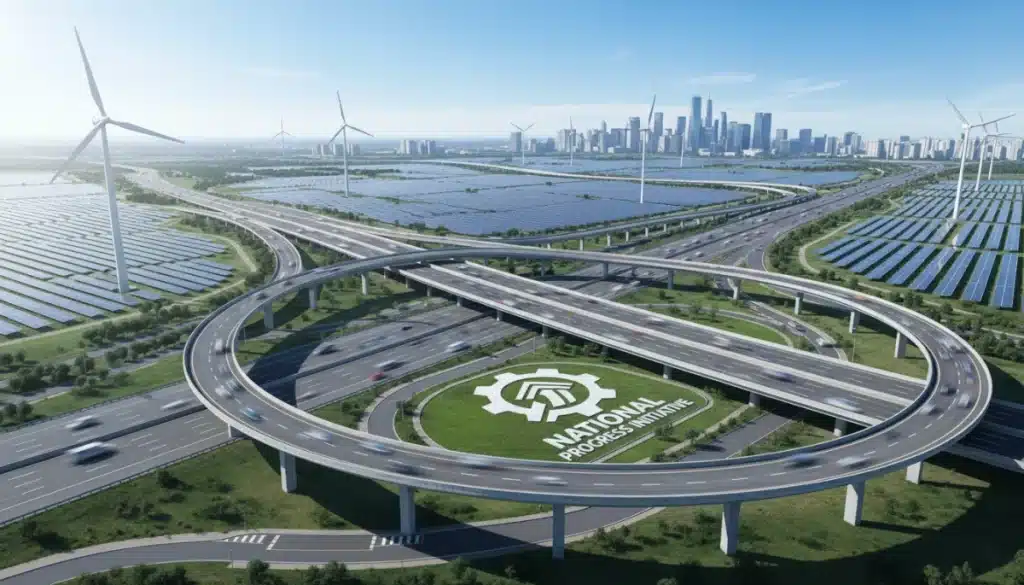
This focus translates into funding preferences for projects that incorporate climate-resilient designs, such as elevated roads in flood-prone areas, reinforced coastal protections, and advanced stormwater management systems. Furthermore, there’s a strong push for integrating renewable energy sources and energy-efficient technologies into new and existing infrastructure, reducing the nation’s carbon footprint.
Integrating Sustainable Practices into Development
The integration of sustainable practices is becoming a cornerstone of infrastructure development under the IIJA. This goes beyond simply building new structures; it involves a holistic approach to environmental stewardship and long-term planning. 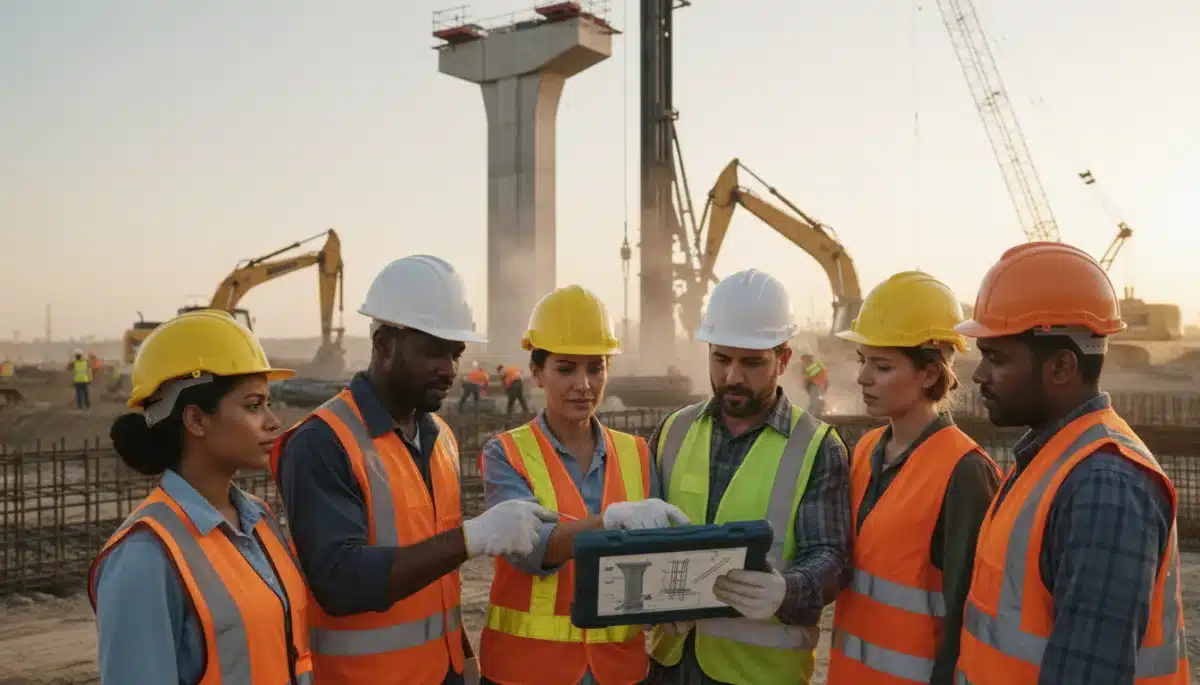
For example, new transportation projects are increasingly designed to accommodate electric vehicle charging infrastructure, promoting the transition away from fossil fuels. Public transit systems are receiving investments to electrify their fleets, reducing urban air pollution and operational costs. These initiatives are not just environmental; they also create new economic opportunities in the green technology sector.
- Renewable Energy Integration: Funding for projects that integrate solar, wind, and geothermal energy into public buildings and infrastructure operations.
- Climate-Resilient Design: Prioritizing infrastructure that can withstand extreme weather events, including stronger bridges, improved drainage systems, and wildfire-resistant materials.
- Ecosystem Restoration: Investments in natural infrastructure solutions, such as wetland restoration and reforestation, which provide both ecological benefits and protection against natural disasters.
By 2026, the tangible results of this green infrastructure push will be more visible, with communities benefiting from improved environmental quality, reduced vulnerability to climate impacts, and a more sustainable economic foundation. This strategic foresight ensures that infrastructure investments serve both present and future generations.
Update 3: Technological Integration and Smart Infrastructure
The third key update impacting the U.S. National Infrastructure Bill’s trajectory towards 2026 is the rapid integration of advanced technologies, leading to the development of ‘smart’ infrastructure. This isn’t just about building new physical assets; it’s about embedding digital intelligence into our roads, bridges, utilities, and public spaces. The goal is to create more efficient, safer, and responsive systems that can adapt to changing demands and future innovations.
Technological integration encompasses a wide range of innovations, from IoT sensors monitoring traffic flow and structural integrity to AI-powered systems optimizing energy consumption in public facilities. These advancements are crucial for maximizing the long-term value of infrastructure investments and ensuring that the U.S. remains at the forefront of global innovation.
Revolutionizing Infrastructure with Digital Solutions
The application of digital solutions is revolutionizing how infrastructure is planned, built, operated, and maintained. Smart infrastructure promises to deliver significant improvements in operational efficiency and public safety.
- Intelligent Transportation Systems (ITS): Deployment of sensors, cameras, and communication networks to manage traffic congestion, improve safety, and provide real-time travel information.
- Smart Grid Technologies: Advanced metering infrastructure, grid sensors, and automated controls to enhance the reliability, efficiency, and security of the electricity grid.
- Digital Twins for Asset Management: Creation of virtual models of physical infrastructure to simulate performance, predict maintenance needs, and optimize operations.
The impact of these technologies will be profound by 2026. For instance, smart traffic signals can dynamically adjust to traffic patterns, reducing commute times and fuel consumption. Sensor-equipped bridges can alert authorities to potential structural issues before they become critical, preventing costly failures and ensuring public safety. The integration of these technologies also fosters innovation in the tech sector, creating new jobs and economic opportunities.
This digital transformation of infrastructure is not merely an add-on; it’s an intrinsic part of the IIJA’s vision for a modern, efficient, and resilient America. The widespread adoption of these smart solutions will redefine how citizens interact with their environment and how public services are delivered.
Economic Projections and Long-Term Impact by 2026
As the U.S. National Infrastructure Bill continues its implementation, economic projections for 2026 highlight a significant positive impact across various sectors. The sustained investment in infrastructure is expected to create a robust economic ripple effect, fostering job growth, enhancing productivity, and improving national competitiveness. These projections are based on the continued rollout of projects and the maturation of earlier investments.
Economists predict a measurable boost in GDP driven by direct construction spending, increased demand for materials and equipment, and the long-term gains from improved efficiency and connectivity. The infrastructure bill is not just a short-term stimulus; it’s a foundational investment designed to yield benefits for decades, with 2026 serving as a crucial benchmark for evaluating its initial success.
Sector-Specific Growth and Productivity Gains
The economic benefits are not evenly distributed but are concentrated in sectors directly impacted by infrastructure development and those that benefit from its improvements. This includes both traditional industries and emerging technology sectors.
- Construction and Manufacturing: Direct job creation and increased demand for raw materials like steel, concrete, and advanced manufacturing components.
- Technology and Innovation: Growth in sectors developing smart infrastructure solutions, broadband technologies, and renewable energy systems.
- Logistics and Transportation: Enhanced efficiency due to improved roads, ports, and rail networks, leading to reduced shipping costs and faster delivery times.
- Real Estate and Development: Increased property values and new development opportunities in areas benefiting from improved infrastructure and connectivity.
Beyond these direct impacts, the long-term benefits include increased productivity for businesses due to reduced transportation bottlenecks, reliable utility services, and widespread access to high-speed internet. These improvements lower operational costs, facilitate innovation, and make the U.S. a more attractive place for investment and business expansion. By 2026, many of these productivity gains will begin to materialize, contributing to sustainable economic growth.
Challenges and Opportunities in Infrastructure Implementation
The ambitious scope of the U.S. National Infrastructure Bill brings with it both significant opportunities and considerable challenges. Successfully navigating these complexities is crucial for realizing the full economic potential of the legislation by 2026 and beyond. Understanding these factors allows for a more nuanced perspective on the progress and future trajectory of infrastructure development.
One of the primary challenges has been managing supply chain disruptions, which can delay project timelines and increase costs. Labor shortages, particularly in skilled trades, also pose a hurdle to rapid project execution. Furthermore, the coordination required among federal, state, and local entities can be complex, demanding efficient communication and streamlined processes. However, these challenges also present opportunities for innovation and strategic adjustments.
Navigating Roadblocks and Maximizing Benefits
Addressing the implementation challenges requires proactive strategies and adaptive management. Federal agencies are working to mitigate supply chain issues by promoting domestic manufacturing and exploring alternative sourcing options. Efforts are also underway to bolster the skilled labor force through training programs and apprenticeships.
- Workforce Development: Investing in vocational training and apprenticeship programs to build a skilled labor force capable of meeting the demands of infrastructure projects.
- Supply Chain Resilience: Promoting domestic production of critical materials and fostering diversified supply chains to reduce reliance on single sources.
- Inter-Agency Coordination: Enhancing collaboration between different levels of government to expedite permitting, funding allocation, and project oversight.
Despite these hurdles, the opportunities presented by the infrastructure bill are immense. It’s a chance to rebuild communities, stimulate technological advancements, and create a more equitable and sustainable future. The focus on green infrastructure and smart technologies, for instance, drives innovation and positions the U.S. as a leader in these emerging fields. By addressing challenges head-on and leveraging opportunities, the U.S. can ensure that the infrastructure bill delivers its promised benefits, setting a strong foundation for economic growth well into 2026 and beyond.
| Key Update | Impact on 2026 Economic Growth |
|---|---|
| Funding & Project Acceleration | Increased job creation, boosted demand for materials, and localized economic stimulus as projects reach completion. |
| Resilience & Green Infrastructure | Long-term cost savings from climate adaptation, growth in green technology sectors, and improved environmental health. |
| Technological Integration | Enhanced efficiency, reduced operational costs, new tech jobs, and increased productivity across various sectors. |
Frequently Asked Questions About the Infrastructure Bill
The primary goal is to modernize and upgrade America’s aging infrastructure across various sectors like transportation, broadband, water, and energy. It aims to boost economic growth, create jobs, enhance national competitiveness, and build more resilient and sustainable systems for the future, addressing decades of underinvestment.
By 2026, the bill is expected to have created millions of jobs directly in construction, manufacturing, and engineering, as well as indirectly in supporting industries. The acceleration of projects and new initiatives in green technology and smart infrastructure will drive significant employment growth across the nation.
Green infrastructure is a central component, emphasizing climate resilience and sustainability. Updates prioritize projects that integrate renewable energy, protect against extreme weather, and reduce environmental impact. This focus drives innovation in sustainable technologies and ensures long-term environmental and economic benefits.
Technology is being integrated through smart infrastructure solutions like IoT sensors for monitoring, AI for optimization, and digital twins for management. These advancements aim to create more efficient, safer, and responsive systems in transportation, energy grids, and urban planning, enhancing overall operational performance.
Key challenges include supply chain disruptions, labor shortages in skilled trades, and complex coordination among federal, state, and local governments. Overcoming these requires strategic planning, workforce development initiatives, and streamlined administrative processes to ensure projects stay on track and within budget.
Conclusion
The U.S. National Infrastructure Bill stands as a monumental effort to reshape the nation’s foundational systems, with its impact increasingly evident as we approach 2026. The updates in funding allocation, the pronounced shift towards resilience and green infrastructure, and the pervasive integration of technology are not merely administrative adjustments; they are strategic pivots designed to foster sustained economic growth, enhance quality of life, and secure a competitive future for the United States. While challenges persist, the proactive approach to implementation suggests a trajectory towards significant positive outcomes, making these developments crucial for understanding America’s economic landscape in the coming years.