Future of Work: Hybrid Models & Career Opportunities in 2026
Anúncios
The future of work in 2026 will be largely defined by hybrid models, which integrate remote and in-office work to create flexible environments, fundamentally altering career paths and demanding new skills for professionals.
Anúncios
The landscape of professional life is undergoing a profound transformation, and understanding the future of work: how hybrid models are shaping career opportunities in 2026 is crucial for anyone navigating their professional path. This evolution isn’t just a temporary shift; it’s a fundamental redefinition of how, where, and when we work, impacting every industry and creating both challenges and unprecedented opportunities.
The rise of hybrid models: a new paradigm
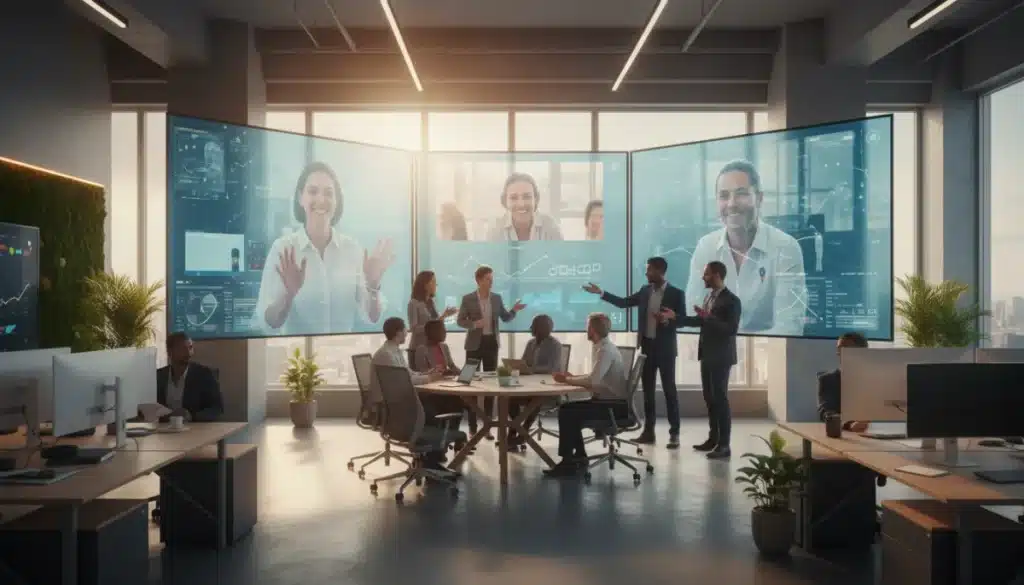
The concept of work has evolved dramatically over the past few years, moving beyond the traditional office-centric model. Hybrid work, a blend of in-office and remote work, has emerged as the dominant paradigm, offering flexibility and autonomy to employees while presenting new challenges and opportunities for organizations.
Anúncios
This shift is not merely a response to recent global events but a culmination of technological advancements and changing employee expectations. Companies are realizing that a one-size-fits-all approach no longer serves the diverse needs of their workforce or the dynamic demands of the global market.
Defining hybrid work: more than just a mix
Hybrid work is more nuanced than simply splitting time between home and office. It encompasses various models, from fully flexible arrangements where employees choose their schedule to structured models with designated in-office days. The essence lies in leveraging the benefits of both environments.
- Flexibility: Employees gain greater control over their work-life balance.
- Productivity: Many find they are more productive in environments tailored to specific tasks.
- Talent pool expansion: Companies can recruit from a wider geographical area.
- Reduced overhead: Potential savings on office space and related expenses.
The rise of hybrid models signifies a permanent change in the employment landscape, requiring both individuals and organizations to adapt and innovate. Understanding these foundational shifts is the first step toward thriving in the evolving professional world of 2026.
Impact on traditional industries and new career paths
The adoption of hybrid work models is not confined to tech startups; it’s permeating every sector, from finance and healthcare to manufacturing and education. This widespread integration is fundamentally altering job roles and creating entirely new career paths that were once unimaginable.
Traditional industries are finding innovative ways to incorporate flexibility, leading to a re-evaluation of established practices and the emergence of roles focused on managing distributed teams and digital infrastructure. This transformation requires a proactive approach from both employers and employees to identify and capitalize on these emerging opportunities.
Reshaping job descriptions and skill requirements
Job descriptions are evolving to reflect the demands of a hybrid environment. Roles now often require strong digital communication skills, self-management capabilities, and adaptability. The emphasis is shifting from physical presence to tangible output and effective collaboration across distances.
For instance, project managers now need enhanced virtual collaboration tools proficiency, and HR professionals are focusing on developing strategies for employee engagement in a dispersed workforce. This evolution means that continuous learning and skill development are no longer optional but essential for career longevity.
- Digital collaboration specialists: Roles focused on optimizing virtual team interactions.
- Workplace experience managers: Designing effective and engaging hybrid office environments.
- Cybersecurity experts: Protecting distributed networks and remote data.
- Data analysts: Interpreting performance metrics from hybrid teams to optimize workflows.
The impact of hybrid models extends to how companies think about talent acquisition and retention. Organizations are now competing for talent on a global scale, making attractive hybrid policies a key differentiator. This dynamic environment is creating a fertile ground for new specializations and career trajectories that align with the demands of a flexible workforce.
Essential skills for success in a hybrid work environment
As hybrid work becomes the norm, the skill sets valued by employers are shifting. Beyond technical proficiency, soft skills that enable effective communication, collaboration, and self-management in a distributed setting are becoming paramount. Developing these competencies is crucial for anyone looking to excel in the future of work: how hybrid models are shaping career opportunities in 2026.
Adaptability and resilience are also key, as individuals must navigate fluid work schedules, changing team dynamics, and evolving technological tools. Continuous learning and a proactive approach to skill development will distinguish successful professionals in this new landscape.
Communication and collaboration in a digital-first world
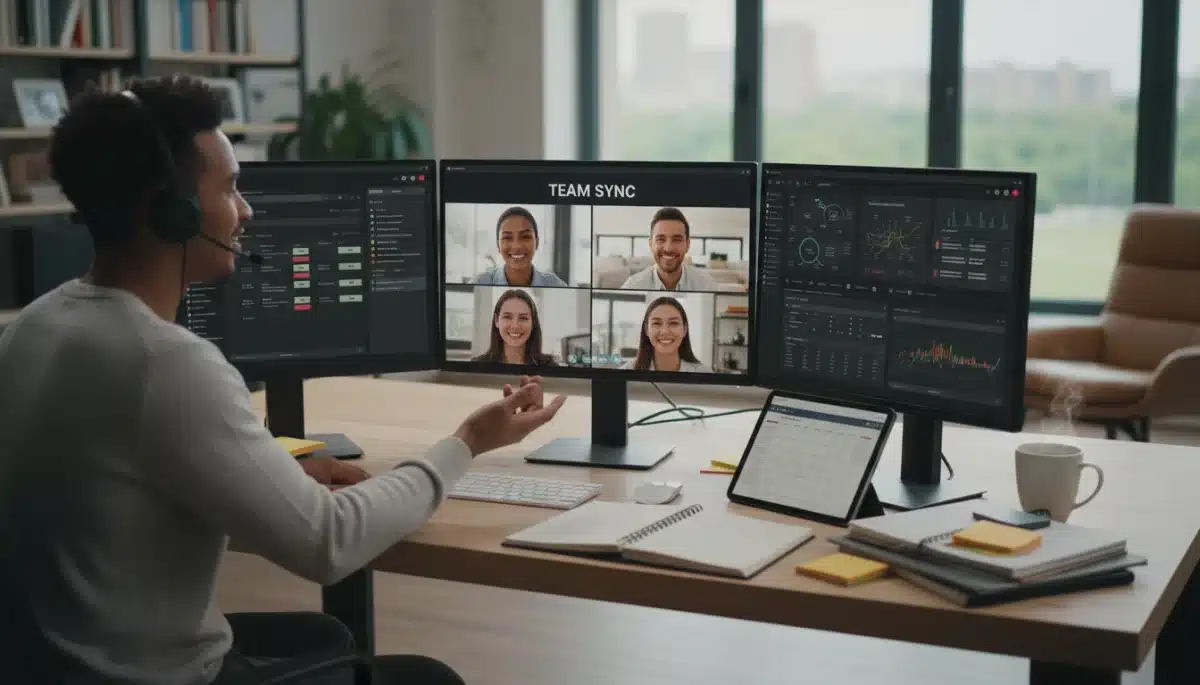
Effective communication in a hybrid setting goes beyond simply sending emails. It involves mastering various digital tools, understanding asynchronous communication best practices, and ensuring clarity and empathy across virtual interactions. Collaboration requires intentional effort to build rapport and trust without constant physical presence.
- Digital literacy: Proficiency with collaboration platforms (Slack, Teams, Zoom).
- Asynchronous communication: Ability to convey messages clearly without real-time interaction.
- Virtual meeting facilitation: Leading engaging and productive online discussions.
- Emotional intelligence: Understanding team dynamics and individual needs remotely.
Beyond these, self-discipline and time management are critical for remote workers. The ability to structure one’s day, set boundaries, and remain accountable without direct supervision is highly valued. Employers seek individuals who can thrive independently while seamlessly integrating with team goals, highlighting the importance of a balanced skill portfolio for the modern professional.
Leveraging technology for seamless hybrid operations
Technology is the backbone of successful hybrid work models, enabling seamless operations and fostering collaboration across geographical divides. From advanced communication platforms to sophisticated project management tools, the right technological infrastructure is critical for organizations and individuals to thrive in this evolving environment. Investing in and understanding these tools is essential for those preparing for the future of work: how hybrid models are shaping career opportunities in 2026.
The rapid pace of technological innovation means that tools are constantly evolving, providing new ways to connect, create, and manage work. Staying abreast of these developments is not just for IT professionals but for everyone seeking to maximize their effectiveness in a hybrid setup.
Key technological enablers
The suite of tools supporting hybrid work is vast and varied, each playing a crucial role in different aspects of daily operations. These technologies bridge the gap between physical and virtual workspaces, ensuring that teams can function cohesively regardless of location.
- Unified communication platforms: Integrating chat, video conferencing, and file sharing in one place.
- Cloud-based collaboration suites: Enabling real-time document editing and project co-creation.
- Virtual private networks (VPNs) and secure access: Ensuring data security for remote workers.
- Project management software: Tracking progress, assigning tasks, and facilitating accountability.
- AI-powered tools: Automating routine tasks, providing insights, and enhancing productivity.
The strategic implementation of these technologies can significantly enhance productivity, foster a sense of connection among team members, and streamline workflows. For individuals, proficiency with these tools is a major asset, demonstrating readiness and adaptability to modern work demands. For organizations, selecting and integrating the right technology stack is a strategic imperative for long-term success in the hybrid era.
Challenges and opportunities for businesses and employees
The transition to hybrid work models, while offering numerous benefits, also presents a unique set of challenges for both businesses and their employees. Navigating these complexities effectively is key to unlocking the full potential of this new way of working and shaping a successful future of work.
For businesses, the challenge lies in maintaining company culture, ensuring equitable opportunities for all employees, and managing physical office spaces efficiently. For employees, issues such as potential isolation, maintaining work-life boundaries, and ensuring career progression in a less visible environment are common concerns.
Addressing the hurdles of hybrid work
Successfully implementing hybrid models requires thoughtful strategies to mitigate potential downsides. Companies must focus on creating inclusive environments where remote and in-office employees feel equally valued and connected. This involves intentional communication strategies and fair performance evaluation systems.
- Maintaining culture: Developing new traditions and virtual team-building activities.
- Ensuring equity: Providing equal access to resources, mentorship, and promotion opportunities.
- Cybersecurity risks: Implementing robust measures to protect data across distributed networks.
- Employee well-being: Offering support for mental health and preventing burnout in a flexible setting.
Despite these challenges, the opportunities presented by hybrid work are substantial. Businesses can tap into a wider talent pool, reduce operational costs, and enhance employee satisfaction and retention. Employees benefit from increased flexibility, reduced commute times, and greater autonomy over their work environment. By proactively addressing challenges and embracing opportunities, organizations and individuals can thrive in the evolving hybrid landscape, making the future of work: how hybrid models are shaping career opportunities in 2026 a positive reality.
Preparing for the future: education and continuous learning
In an era defined by rapid change and evolving work models, education and continuous learning have become more critical than ever. For individuals aiming to succeed in the future of work: how hybrid models are shaping career opportunities in 2026, a commitment to lifelong learning is not just advantageous but essential. The skills required today may be obsolete tomorrow, making adaptability and a growth mindset paramount.
Educational institutions and professional development programs are rapidly adapting to meet these new demands, offering courses and certifications that address the specific competencies needed for hybrid environments. This evolution provides ample opportunities for upskilling and reskilling across all career stages.
Strategies for lifelong learning
To stay relevant and competitive, professionals must actively seek out opportunities to learn and grow. This can take many forms, from formal education to informal self-study, all aimed at building a robust and adaptable skill set.
- Online courses and certifications: Platforms like Coursera, edX, and LinkedIn Learning offer specialized programs.
- Micro-credentials: Focused, short-term learning modules to acquire specific skills quickly.
- Workshops and seminars: Engaging with industry experts and peers on emerging trends.
- Mentorship and networking: Learning from experienced professionals and expanding one’s professional circle.
- Self-directed learning: Reading industry publications, engaging in online forums, and experimenting with new tools.
Furthermore, employers are increasingly investing in employee training and development programs, recognizing that a skilled workforce is their most valuable asset. Taking advantage of these internal opportunities, alongside external learning, ensures that professionals remain at the forefront of their fields. The proactive pursuit of knowledge and skills will be the ultimate differentiator in navigating the dynamic landscape of future career opportunities.
| Key Aspect | Brief Description |
|---|---|
| Hybrid Work Definition | A flexible model blending remote and in-office work, offering autonomy and diverse working environments. |
| Essential Skills | Digital literacy, communication, self-management, adaptability, and emotional intelligence are crucial. |
| Technological Enablers | Unified communication, cloud collaboration, and project management tools are vital for seamless operations. |
| Continuous Learning | Lifelong learning, upskilling, and reskilling are essential for career longevity and adaptation to new demands. |
Frequently asked questions about hybrid work
A hybrid work model combines elements of both in-office work and remote work. Employees typically spend a few days in the physical office for collaborative tasks and other days working from home or another remote location for focused individual work, offering flexibility and autonomy.
Hybrid models can impact career progression by emphasizing demonstrable results over physical presence. Developing strong digital communication, self-management, and proactive networking skills will be crucial for visibility and advancement in a distributed work environment.
Key skills include advanced digital literacy, effective asynchronous communication, virtual collaboration, time management, and self-discipline. Adaptability, emotional intelligence, and a proactive approach to learning new technologies are also highly valued.
While hybrid work is gaining widespread adoption, it may not become the standard for all industries. Sectors requiring significant physical presence, like manufacturing or certain healthcare roles, might integrate it differently or to a lesser extent, though flexibility will likely increase across the board.
Companies can ensure fairness by establishing clear policies, providing equitable access to resources and opportunities regardless of location, investing in technology that fosters inclusion, and implementing transparent performance evaluation systems that focus on output rather than face time.
Conclusion
The journey into the future of work: how hybrid models are shaping career opportunities in 2026 is well underway, presenting a dynamic landscape that demands adaptability, continuous learning, and a proactive mindset. Hybrid models are not just a temporary trend but a fundamental shift redefining professional life, requiring both individuals and organizations to evolve. By embracing new skills, leveraging technology effectively, and strategically navigating the inherent challenges, professionals can unlock unprecedented opportunities and build resilient, fulfilling careers in this exciting new era of work.